
- Why Suspension Noises Should Not Be Ignored
- Common Suspension Noises and Causes
- How to Diagnose Suspension Issues
- FAQ
- Conclusion
Why Suspension Noises Should Not Be Ignored
The suspension system absorbs road imperfections and maintains tire contact with the road. Unusual noises often indicate worn or damaged components. Ignoring them can lead to poor handling, uneven tire wear, and dangerous failure.
Common Suspension Noises and Causes
Clunking Over Bumps
A clunk when driving over bumps usually indicates worn sway bar links, bushings, or ball joints. These components connect the suspension to the chassis and absorb lateral forces.
Squeaking or Groaning
Rubber bushings and ball joints squeak when they dry out or wear. Lubrication may temporarily help, but worn bushings need replacement.
Rattling on Rough Roads
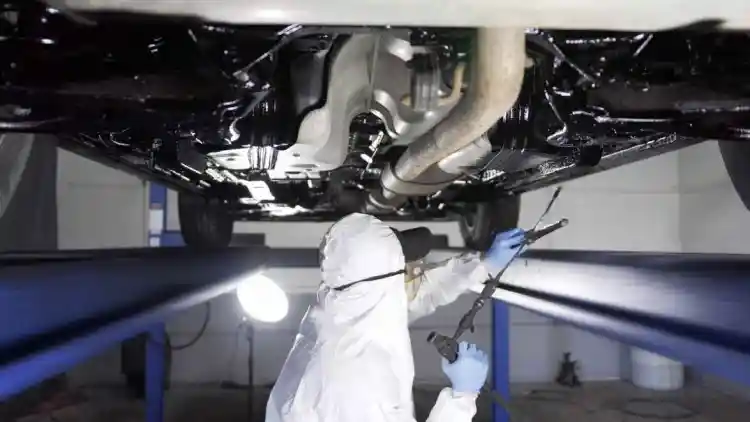
A loose heat shield, broken exhaust hanger, or worn shock absorber mount can rattle. Have the undercarriage inspected to pinpoint the source.
Knocking When Turning
CV joints on front-wheel-drive and all-wheel-drive vehicles click or knock when worn. This is most noticeable during tight turns at low speed.
Bouncing After Bumps
If the car continues to bounce after hitting a bump, the shock absorbers or struts are worn. They should dampen oscillation within one or two cycles.
How to Diagnose Suspension Issues
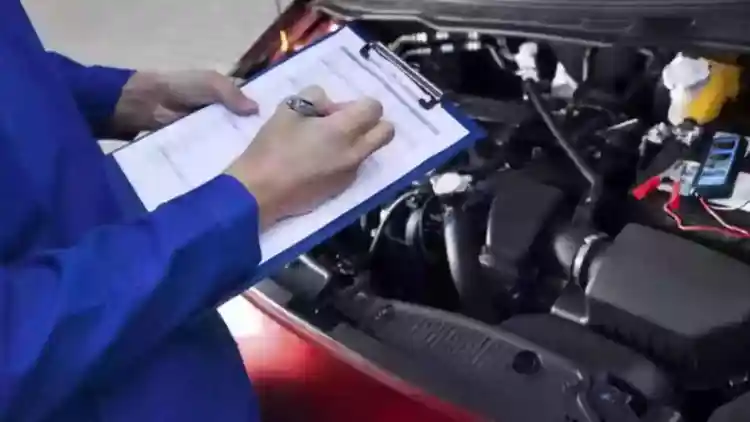
Perform a bounce test by pressing down on each corner of the car. It should settle immediately. Inspect components visually for torn boots, leaking fluid, or broken mounts. A professional inspection with the vehicle on a lift provides the most accurate diagnosis.
FAQ
Is it safe to drive with suspension noise?
Minor squeaks may be safe temporarily, but clunks, knocking, and excessive bouncing indicate serious wear. Have the system inspected promptly.
How much does suspension repair cost?
Sway bar links cost 200 to 500 AED. Shock absorbers range from 800 to 2,000 AED per pair. Ball joints and control arms can exceed 1,500 AED.
Can I lubricate squeaky suspension?
Some ball joints and bushings have grease fittings. Many modern components are sealed and must be replaced when worn.
How long do shock absorbers last?
Typically 80,000 to 100,000 kilometers. Rough roads and heavy loads reduce lifespan.
Conclusion
Suspension noises are early warnings of component failure. Address them early to maintain safety, comfort, and tire longevity.