
- Why Underbody Coating Matters
- Types of Underbody Coatings
- Cost Considerations
- Does Underbody Coating Affect Your Warranty?
- Pros & Cons of Underbody Coatings
- Final Recommendations
Underbody coatings are often overlooked by car owners, yet they provide critical protection for your vehicle’s frame, chassis, and metal components. While new cars come from the factory with rustproofing, the truth is that the level of protection varies depending on where you live and the driving conditions your vehicle faces.
Cold climates, salty roads, and off-road adventures can accelerate corrosion, making underbody coating not just a luxury, but a necessity for many vehicles.
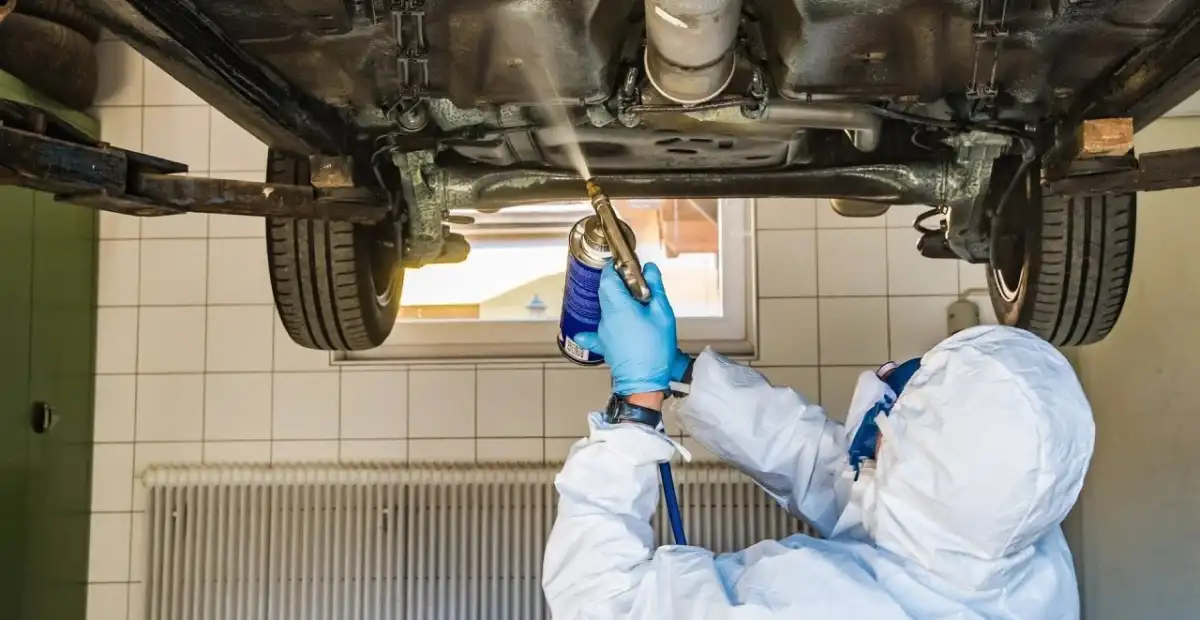
Why Underbody Coating Matters
Rust Prevention: Protects the undercarriage from road salt, moisture, and debris.
Noise Reduction: Rubberized coatings can make the cabin quieter.
Resale Value: Vehicles with protected underbodies maintain higher resale prices.
Durability: Provides long-term protection for both new and older cars.
According to a 2017 AAA report, U.S. drivers spent nearly $3 billion annually repairing rust-related damage. Liquid de-icers, while efficient in melting ice, can infiltrate cracks and accelerate corrosion under your car.
Despite spending heavily on ceramic coatings and exterior detailing, many car owners neglect the undercarriage—the area most exposed to rust-inducing elements.
Types of Underbody Coatings
Choosing the right underbody coating can be confusing due to the variety of formulas available. Each type offers different benefits and drawbacks.
Key takeaway: Asphalt and rubberized coatings are best for durability in harsh or icy conditions, while wax and oil are suitable for short-term protection or budget-conscious owners.
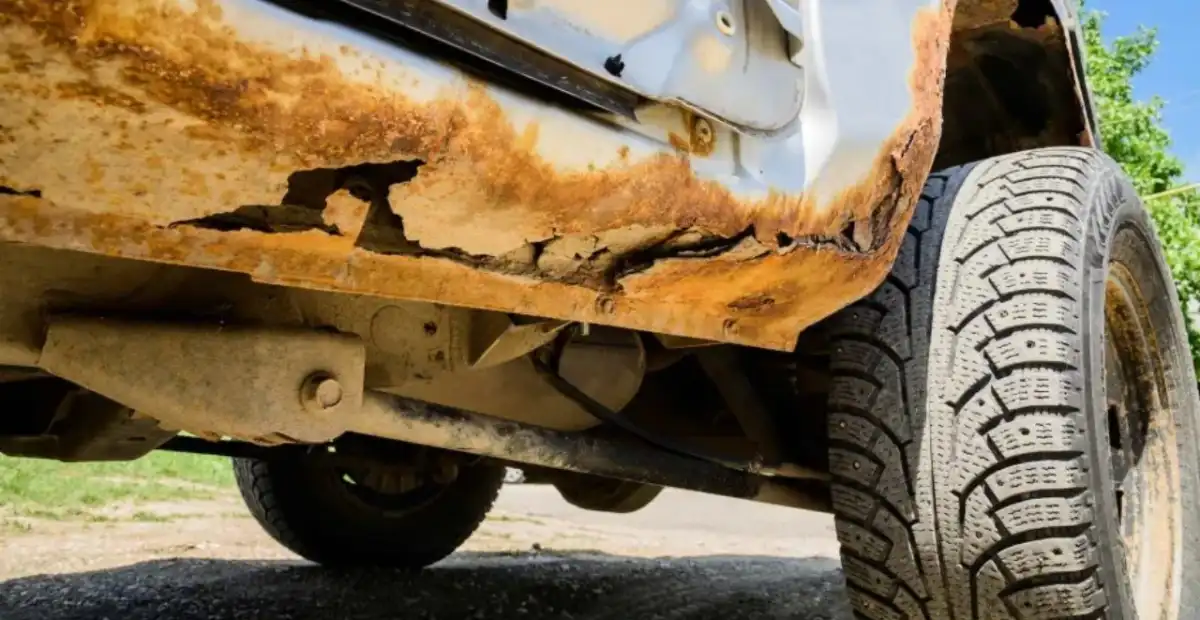
Cost Considerations
The price of underbody coating depends on the type, vehicle size, and whether you go DIY or professional:
Oil-based coating: $300–$800 professionally; yearly reapplication around $150–$200.
Rubberized coating: DIY spray cans around $36 for SUVs or sedans.
Dealership application: $800–$1,000
Body shop: $170–$300
⚠ Note: Rubberized and asphalt coatings require extensive prep work. Poor application may crack, trap moisture, and worsen corrosion.
Despite the costs, underbody coatings are worth the investment for cars exposed to winter roads, salty environments, or off-road conditions.
Does Underbody Coating Affect Your Warranty?
The Magnuson-Moss Warranty Act (1975) prevents manufacturers from voiding warranty claims due to third-party maintenance. However, underbody coatings are not always straightforward:
Incorrect application can void rust-related warranty coverage.
Example: If a vehicle has five-year rust-through coverage and you apply coating incorrectly, the dealer may deny warranty claims for rust damage caused by improper prep work.
For vehicles still under warranty, consult your dealer before professional application.
For older vehicles in corrosive climates, underbody coatings are inexpensive insurance against rust and can extend the car’s lifespan.
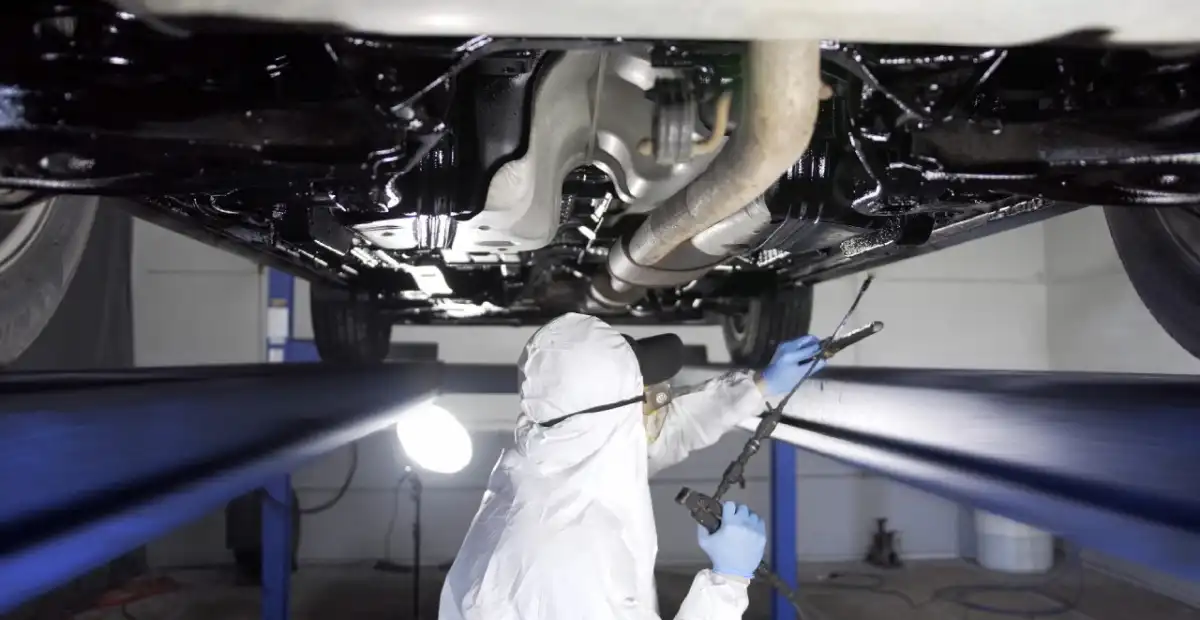
Pros & Cons of Underbody Coatings
Pros:
Protects against rust and corrosion
Reduces road noise
Improves resale value
Adds peace of mind in harsh climates
Cons:
Requires proper surface preparation
Some types need annual reapplication
Poor application can worsen rust damage
Costs vary depending on method and type
Final Recommendations
Assess your environment: Salted roads, snow, or off-road adventures? Consider protective coatings.
Choose the right type: Asphalt or rubberized for durability, oil/wax for short-term or budget use.
Follow manufacturer advice: Ensure prep work is thorough to avoid warranty issues.
DIY vs. Professional: DIY can save money, but professional application ensures quality coverage.
Maintenance: Reapply coatings as needed and monitor undercarriage for early signs of rust.
While some car owners see underbody coatings as optional, their benefits—rust protection, noise reduction, and preserved resale value—make them a worthwhile investment, especially in regions with harsh winters, salted roads, or off-road conditions. Proper application, whether DIY or professional, ensures your vehicle remains durable, safe, and corrosion-resistant for years to come.