
- The Art of the Test Drive
- Pre-Drive Checks
- Cold Start Evaluation
- City Driving Test
- Highway Driving Test
- Suspension and Comfort Test
- Braking Test
- ADAS Feature Test
- Infotainment and Connectivity Test
- Red Flags to Watch For
- Post-Drive Inspection
- Conclusion
The Art of the Test Drive
A test drive is the most important part of buying a Chinese car. It reveals issues that specifications and photos cannot show. This guide provides a comprehensive test drive checklist specifically for Chinese cars in the UAE, ensuring you evaluate every critical aspect before making your purchase.
Pre-Drive Checks
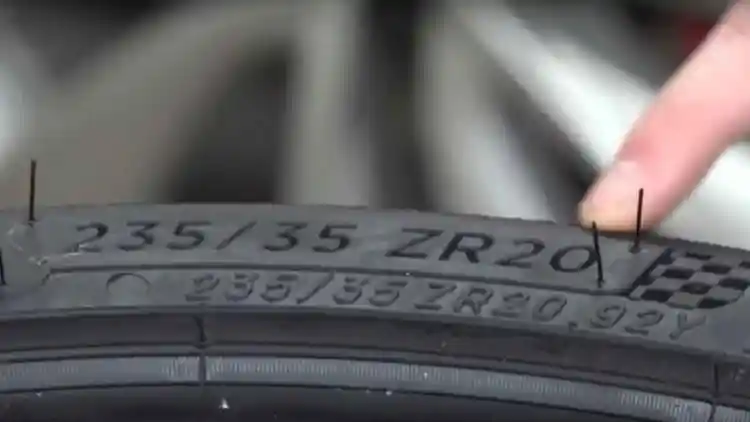
Before starting the engine, conduct these checks: inspect the exterior for panel gaps and paint quality; check tire brand, size, and tread depth; verify all lights function (headlights, taillights, indicators, brake lights); test all doors, hood, and tailgate for smooth operation; check the interior for material quality and trim alignment; verify the infotainment screen responds to touch inputs; and ensure the air conditioning blows cold air within 2 minutes.
Cold Start Evaluation
Start the engine cold if possible. Listen for unusual noises: knocking, rattling, or excessive vibration. The engine should idle smoothly within 30 seconds. For EVs like the BYD Atto 3 and Nio ET5, verify the battery level and estimated range match expectations. Check that all warning lights extinguish after startup. A persistent check engine light or battery warning is a red flag.
City Driving Test
Drive through city traffic to test low-speed maneuverability. Test the steering weight and precision at parking speeds. The Geely Monjaro and Chery Tiggo 8 Pro Max should feel light and responsive. Test the brake pedal feel: it should be firm and progressive, not spongy or overly sensitive. Check that the infotainment system does not lag when switching between navigation and music. Test the 360-degree camera clarity by parking in a tight space.
Highway Driving Test
Accelerate onto Sheikh Zayed Road or Emirates Road to test highway performance. Accelerate from 80 to 120 km/h to evaluate engine power and transmission response. The BYD Seal should accelerate effortlessly, while the Changan Alsvin may feel strained. Test cruise control functionality and lane keep assist. Drive at 120 km/h to check wind noise, road noise, and engine noise levels. The Geely Okavango and Hongqi H9 should be whisper-quiet. Test high-speed stability by driving in a straight line with light steering input.
Suspension and Comfort Test
Drive over speed bumps, rough pavement, and highway expansion joints. The suspension should absorb bumps without excessive bouncing or crashing. The Geely Monjaro and Hongqi HS7 with air suspension should glide over imperfections. The Jetour T2 and BAIC BJ40 will feel firmer due to their off-road focus. Listen for squeaks, rattles, or thuds from the suspension. A well-built Chinese car should be rattle-free even on rough roads.
Braking Test
In a safe, empty area, perform an emergency stop from 60 km/h. The car should stop in a straight line without pulling to either side. The brake pedal should feel firm and progressive. Test the electronic parking brake: it should hold the car on a slope and release smoothly. For EVs, test regenerative braking: it should feel natural and not jerky.
ADAS Feature Test
Test all driver assistance systems during the drive. Activate adaptive cruise control and verify it maintains a safe following distance. Test lane keep assist on a marked highway. The system should provide gentle steering correction, not aggressive tugging. Test blind spot monitoring by having a friend walk alongside the car. Test automatic emergency braking only in a controlled environment with dealer permission. The BYD Seal and Geely Starray have the most advanced ADAS suites.
Infotainment and Connectivity Test
Pair your phone via Bluetooth and test call quality. Connect Apple CarPlay or Android Auto and test navigation, music playback, and voice commands. Test the touchscreen responsiveness by rapidly switching between menus. The Nio ET5 and Zeekr 001 have the most responsive systems. Check that the reversing camera provides a clear image with accurate distance guidelines. Test the parking sensors by approaching an obstacle slowly.
Red Flags to Watch For
- Transmission hesitation: Delayed gear changes or jerky shifts indicate problems.
- Steering wander: The car should track straight without constant correction.
- Excessive wind noise: Poor door seals or mirror design cause noise at highway speeds.
- Infotainment crashes: Screen freezing or rebooting is unacceptable in a new car.
- AC weak performance: Inability to cool the cabin within 3 minutes is a dealbreaker for UAE.
- Unusual smells: Burning oil, coolant, or plastic smells indicate problems.
- Warning lights: Any persistent warning light is a red flag.
Post-Drive Inspection
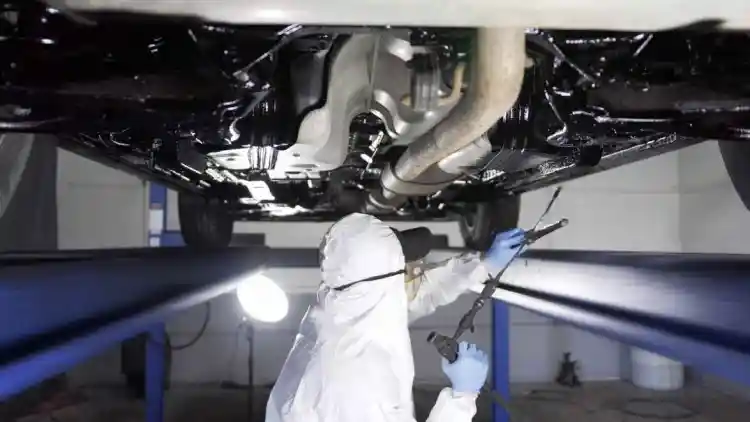
After the drive, park and let the engine idle. Listen for unusual noises. Check under the car for fluid leaks. Pop the hood and check for overheating or unusual smells. Test all electrical functions one more time. If any issues were identified, address them with the dealer before purchase. Do not feel pressured to buy immediately after a test drive.
Conclusion
A thorough test drive reveals the true character of a Chinese car. Plan a 30 to 45 minute drive covering city streets, highways, and rough roads. Test every system, listen for unusual noises, and trust your instincts. A well-built Chinese car should feel solid, quiet, and responsive. If something feels wrong, walk away and test another car.