
- What Is an Electric Car?
- What Is a Hybrid Car?
- Key Differences
- Which Is Right for You?
- FAQ
- Conclusion
What Is an Electric Car?
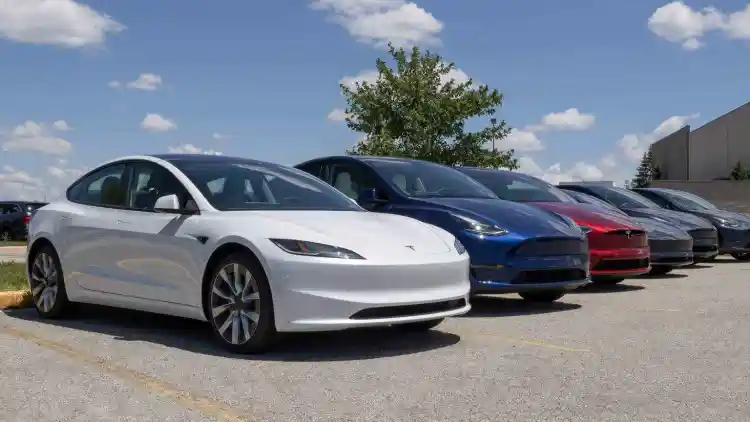
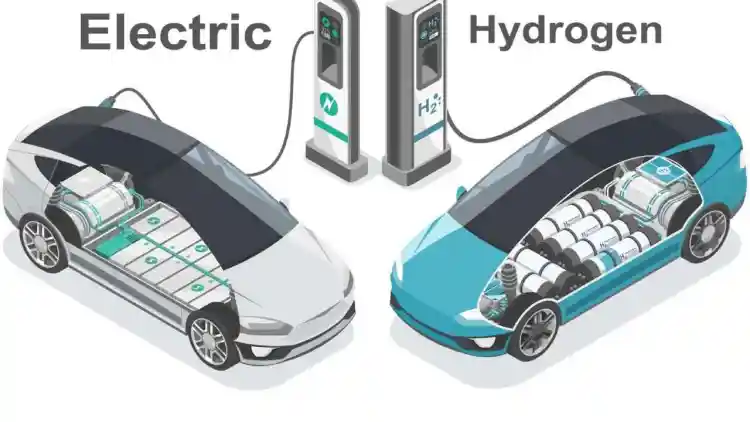
An electric vehicle (EV) runs entirely on battery power and electric motors. It produces zero tailpipe emissions and requires no gasoline. EVs are charged via home chargers, public stations, or fast chargers.
What Is a Hybrid Car?
A hybrid combines a conventional internal combustion engine with an electric motor and battery. The system switches between or combines power sources to improve efficiency. Hybrids do not plug in, they self-charge through regenerative braking and the engine.
Key Differences
Driving Range
Modern EVs offer 300 to 600 kilometers per charge. Hybrids can drive 700 to 1,000 kilometers on a full tank of fuel, with the electric motor assisting during low-speed driving.
Refueling vs. Charging
Refueling a hybrid takes five minutes at any petrol station. Charging an EV takes 30 minutes to 12 hours depending on the charger type. Fast chargers can add significant range in 30 to 45 minutes.
Running Costs
EVs have lower per-kilometer energy costs and fewer moving parts, reducing maintenance. Hybrids still require engine oil changes and fuel but consume significantly less petrol than conventional cars.
Purchase Price
EVs generally cost more upfront than hybrids, though government incentives and falling battery prices are narrowing the gap. Hybrids are often priced similarly to their non-hybrid counterparts.
Which Is Right for You?
- Choose an EV if: You have home charging access, drive mostly in the city, and want zero emissions.
- Choose a hybrid if: You take long road trips frequently, lack reliable charging infrastructure, or want fuel efficiency without changing driving habits.
FAQ
Do hybrids need to be plugged in?
Standard hybrids do not. Plug-in hybrids (PHEVs) can be charged externally and offer short electric-only ranges of 30 to 80 kilometers.
How long do EV batteries last?
Most manufacturers warranty EV batteries for 8 years or 160,000 kilometers. Degradation of 10 to 20 percent over the battery's life is normal.
Are EVs good in hot climates?
EVs perform well, though extreme heat can slightly reduce range due to air conditioning use and battery thermal management. Park in shade when possible.
Which has better resale value?
Both hold value well. EVs are improving rapidly as demand grows. Hybrids have a longer track record of stable resale values.
Conclusion
Both electric and hybrid cars offer significant advantages over conventional vehicles. Your choice depends on driving patterns, charging access, and budget. Either way, you are moving toward cleaner, more efficient transportation.