
- Introduction: A Quick Overview
- Price Comparison: Initial Costs
- Operational Costs: Fueling and Maintenance
- Government Incentives and Tax Benefits
- The Environmental Factor
- Conclusion
Thinking about making the switch to an electric vehicle in Bahrain? With growing concerns about rising fuel costs and environmental impact, electric cars are becoming a popular choice for many. But how much can you actually save with an EV compared to a regular gas car? This guide explores the financial and practical differences, helping you understand which car type aligns better with your priorities.

Introduction: A Quick Overview
As electric vehicles (EVs) gain traction across Bahrain, many drivers are wondering if switching from traditional gas-powered cars is worth the effort. Whether you're motivated by potential savings or the environmental impact, there’s a lot to consider. This guide breaks things down into key areas, including costs for purchase, maintenance, refueling, and government aid.

Price Comparison: Initial Costs
Are EVs More Expensive Than Gas Cars?
The initial purchase price tends to be one of the biggest concerns for potential EV buyers, and many wonder if it’s more cost-effective to stick with gas-powered vehicles. Here are the main factors:
Purchase Price: Electric cars generally cost more upfront than traditional cars. In Bahrain, pricing depends on the model and manufacturer, but high-range EVs often have elevated price tags.
Battery Costs: While EV batteries are advanced and designed to last several years, they do contribute to the overall cost.
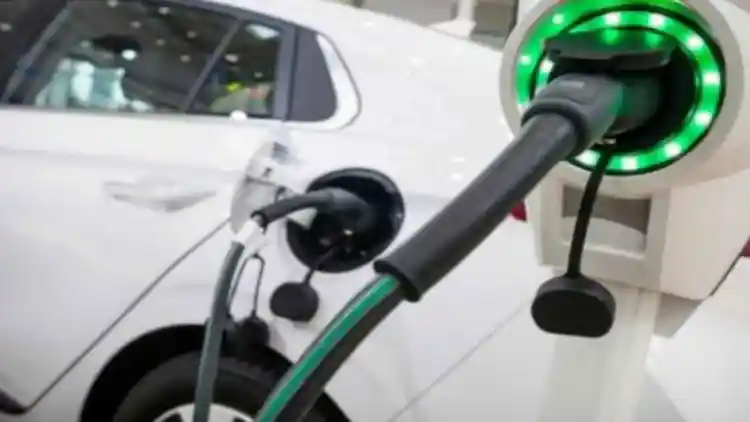
Charging Infrastructure: Unlike gas cars that rely on widely available fueling stations, EV owners may need to invest in charging equipment if it’s not already provided.
While gas-powered vehicles have a lower initial cost, EVs may offer better financial stability in the long run due to savings on fuel and maintenance.

Operational Costs: Fueling and Maintenance
Refueling Costs: Gas vs. Electricity
Fueling a gas-powered car in Bahrain costs significantly more over time compared to charging an electric vehicle. Bahrain’s rising fuel prices can make daily commutes more expensive for gas car owners. EV owners, on the other hand, benefit from utilizing electricity, which is generally cheaper and more readily available.
Maintenance Costs: A Key Savings Point for EVs
Electric cars have fewer moving parts compared to their gas-powered counterparts, which means fewer breakdowns and lower maintenance bills. Here's why:
Engine Differences: EVs don’t rely on internal combustion engines and therefore avoid issues like oil changes, spark plug replacements, or timing belt repairs.
Simpler Design: Less wear and tear occurs, saving drivers money on expensive vehicle care.
Regenerative Braking: The advanced braking systems in EVs extend brake life and reduce replacement needs.
Gas-powered cars come with more frequent service costs, including replacing oil, filters, and other components.
Government Incentives and Tax Benefits
In Bahrain, EV adoption is encouraged through various incentives. While specific benefits can vary, typical support includes:
Subsidies: Reduced prices for electric cars or rebates upon purchase.
Charging Infrastructure: Promotion of public charging stations to encourage the shift.
These incentives aim to reduce the financial hurdles for EV adoption while supporting more sustainable transportation solutions.
The Environmental Factor
EVs produce significantly lower emissions compared to gas cars, making them an eco-friendly choice for drivers in Bahrain. While Bahrain is transitioning to more sustainable energy, vehicles play a vital role in reducing the overall carbon footprint.
Conclusion
So, how much can you save by switching to an EV in Bahrain? Though they may have steeper upfront costs, electric cars could help you save considerably on maintenance and refueling over time. With increasing fuel prices and government incentives supporting EVs, it may be worth considering the switch for both financial and environmental benefits.
Ultimately, your decision will depend on your priorities, driving habits, and budget. Whether you choose an EV or a gas-powered car, weighing these factors carefully can lead to long-term satisfaction.
Read More:
Why Chinese EVs Are Flooding the Middle East Auto Market
Is Made-in-China Still a Concern for EV Buyers in 2026?
BYD vs Tesla: Which Electric Car Wins in the GCC Market?
2 / 5