

- What is the Optimal Tyre Pressure for Cars ?
- Most Common Tyre Pressure Mistakes
- How to Find Your Vehicle’s Correct Tyre Pressure (PSI)?
- Why Proper Tyre Pressure Matters?
- Consequences of Incorrect Tyre Pressure
- Key Schedule for Tyre Maintenance
- Special Case Tyre Pressure: EVs and Run-Flats
- Conclusion
- FAQ
Maintaining the right car tyre pressure is essential for vehicle performance and safety. Proper tyre inflation not only ensures a smoother and safer ride but also improves fuel efficiency and prolongs the life of your tyres. This guide will help you understand the importance of tyre pressure, how to maintain it, and the potential risks of neglecting it.
What is the Optimal Tyre Pressure for Cars ?
The optimal tyre pressure for most passenger cars typically falls between 32 and 35 PSI (pounds per square inch) when the tyres are cold. However, these values may vary based on your car model, tyre size, and load. Always refer to your car's owner’s manual or the tyre placard on your vehicle for the manufacturer’s recommendations.
It is important to note:
The pressure listed on the tyre sidewall is the maximum safe pressure for the tyre, not the recommended pressure for your specific car.
Tyre pressure should always be checked when the tyres are cold, as driving causes air expansion and can lead to inaccurate readings.
Most Common Tyre Pressure Mistakes
It is easy to fall into a few recurring pitfalls. Many drivers rely on the “eyeballing” technique when it comes to measuring PSI, but human sight rarely detects a difference of just 5 PSI. Temperature variations can catch you off guard and cause fluctuations in tyre pressure if you neglect regular checks.
Many drivers mistakenly trust tyre pressure monitoring systems (TPMS) alone, without verifying the exact PSI.
Forgetting to adjust tyre pressure with seasonal changes might lead to underinflation in cooler weather and overinflation during high heat.

How to Find Your Vehicle’s Correct Tyre Pressure (PSI)?
Understanding the right tyre pressure is key to your safety and performance on the road. You should take time to identify the precise PSI for your tyres by referring to reliable sources. Knowing how much air pressure in car tyres you need not only improves fuel efficiency but also extends the life of your tyres.
Step 1: Locate Manufacturer Recommendations
Your vehicle provides the most accurate guidance on tyre pressure. Check the driver’s door jamb sticker, the fuel filler flap, or the owner’s manual—often on pages 23-25—to find the recommended PSI values. Relying on these details helps you avoid the common mistake of using the MAX PSI stamped on the tyre sidewall, which is not the optimum pressure level for daily driving.
Step 2: Use Proper Equipment
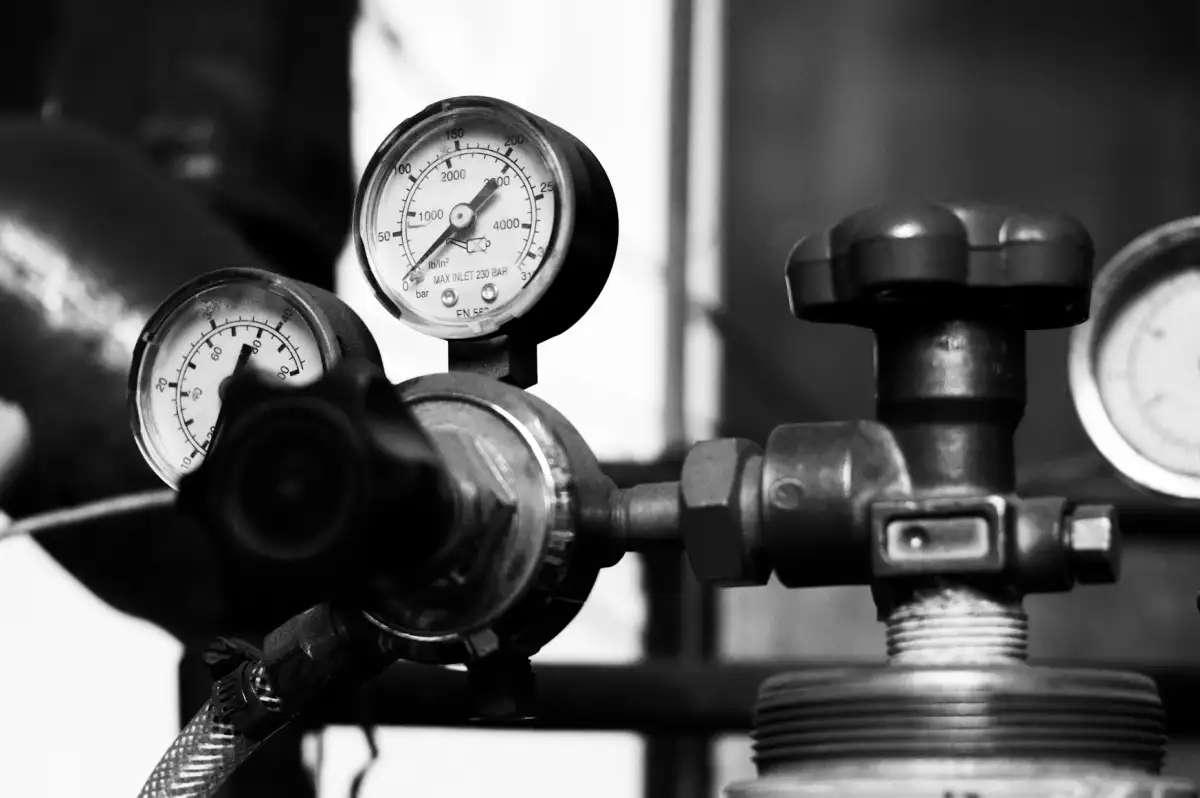
Ensure you have the right tools before you start checking your tyres. A digital tyre pressure gauge, an air compressor with an automatic shut-off feature, and reliable valve stem caps enable you to gain accurate readings. Investing in quality tools makes it easier to maintain the optimal PSI, ensuring you always know how much air pressure in car tyres is ideal for your vehicle.
Step 3: Check Like a Pro
Begin by checking the tyre pressure when your tyres are cold to get an accurate measurement before you drive. Remove the valve stem cap and press the gauge firmly against it, then compare the reading with your manufacturer’s recommendation. Adjust the air pressure as needed by adding or releasing air until you match the ideal PSI value, making sure that your car benefits from proper tyre maintenance.
Why Proper Tyre Pressure Matters?
Maintaining the correct tyre pressure boosts your safety on the road and optimizes your vehicle’s performance. A well-inflated tyre contributes to better braking responses, improved fuel efficiency, and longer tyre life.
Safety: Correct PSI reduces the risk of tyre blowouts and unstable handling.
Fuel Efficiency: The right tyre pressure can improve mileage by up to 3%, saving you extra expenses of around AED/SAR 180 per year on fuel over 15,000 km.
Tyre Longevity: Consistently maintained pressure can extend tyre lifespan by up to 8,000 km, preventing uneven wear such as edge or center wear.
Pressure Condition | Potential Hazard |
|---|---|
25% Underinflated | Higher risk of tyre blowouts |
20% Overinflated | Increased braking distance |
Consequences of Incorrect Tyre Pressure
Driving with incorrect tyre pressure can lead to a host of problems that affect both safety and performance. Here’s how underinflation and overinflation can impact your tyres:
Underinflated Tyres
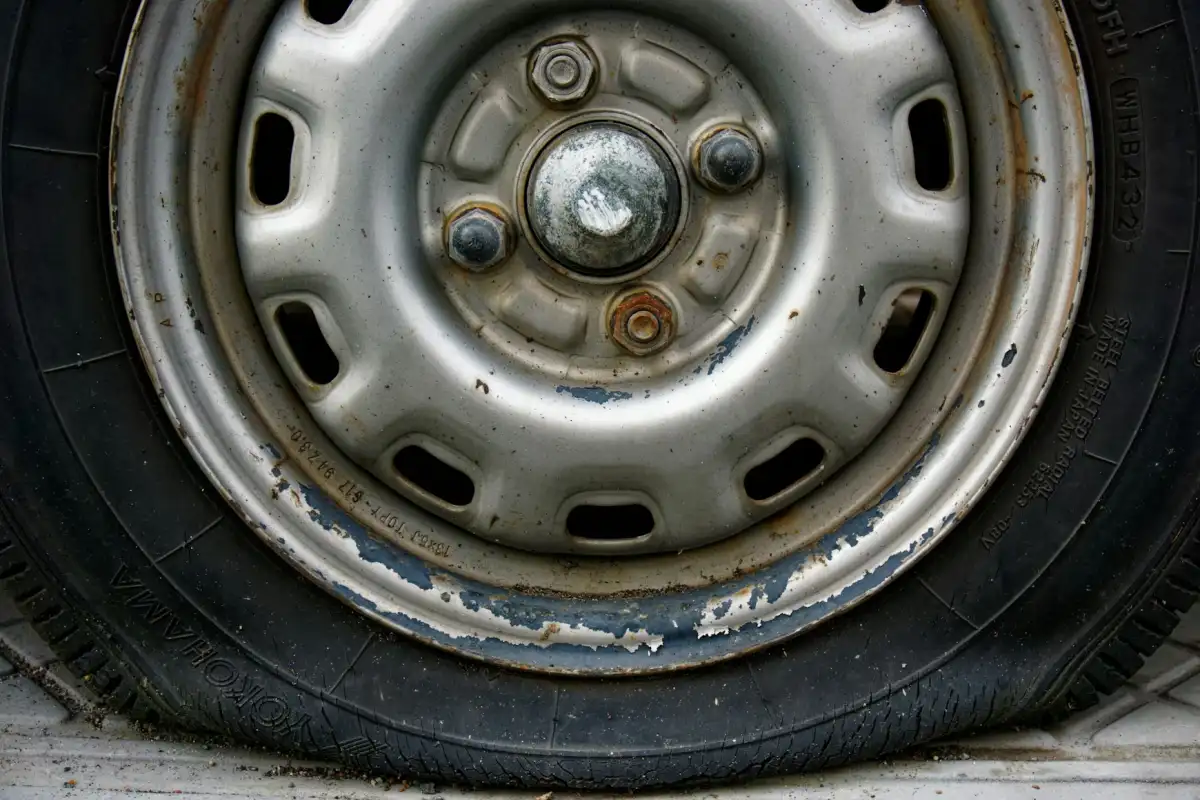
Increased risk of aquaplaning, especially during rains.
Longer braking distances, reducing safety.
Higher fuel consumption due to increased rolling resistance.
Uneven tyre wear, leading to costly replacements.
Shorter tyre lifespan.
Overinflated Tyres
Reduced traction and grip on the road.
Higher risk of tyre blowouts due to excessive pressure.
Rougher ride quality, making driving uncomfortable.
Uneven tread wear, leading to reduced tyre life.
Key Schedule for Tyre Maintenance
Setting up a regular routine is essential for keeping your tyres in peak condition:
Perform a visual inspection every week to spot any obvious issues immediately.
Check the tyre pressure with an accurate gauge on a monthly basis, even if your car is equipped with a TPMS.
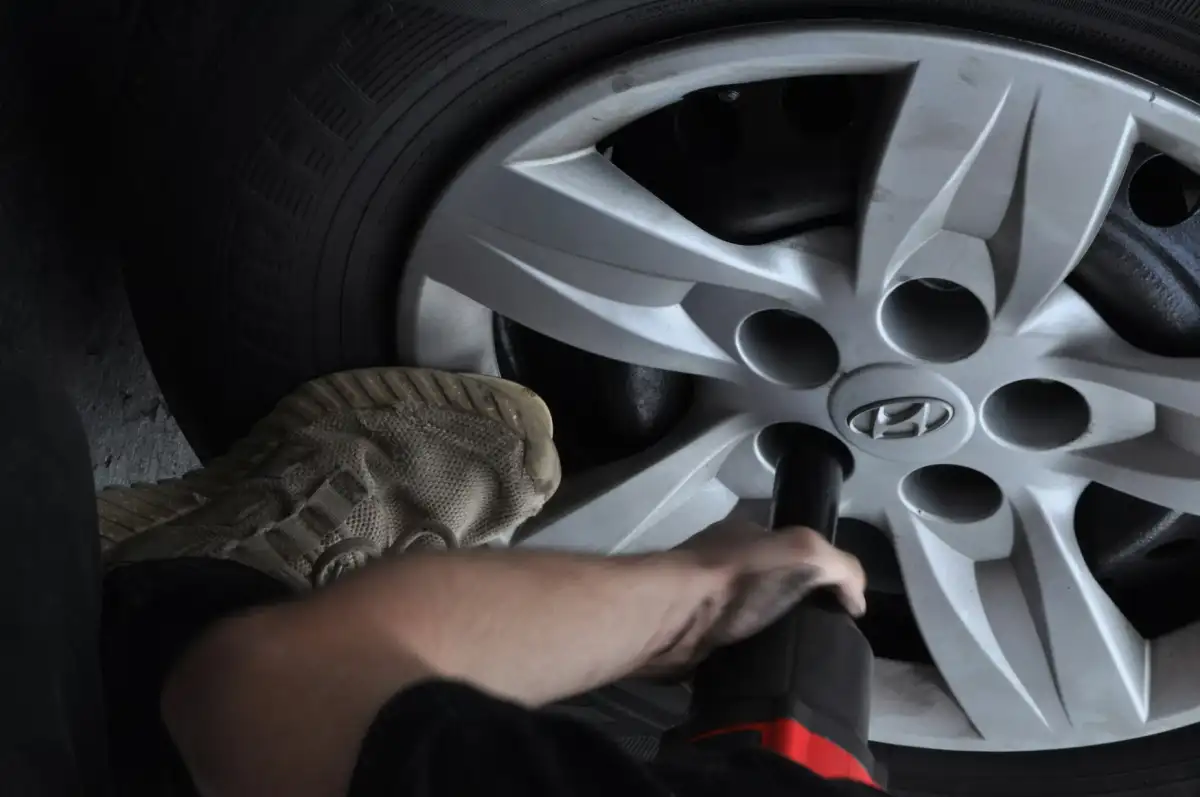
Rotate your tyres and have an alignment check done every season to maintain balanced wear.
Get a professional calibration of your tyre pressure once a year to ensure maximum accuracy and safety.
This schedule helps you consistently track how much air pressure in car tyres is needed for optimal performance under GCC-certified standards.
Special Case Tyre Pressure: EVs and Run-Flats
Electric Cars (2025 Models)
Electric vehicles often require slightly higher tyre pressures, typically 3-5 PSI more than traditional gas-powered cars. The added weight from batteries means you must be diligent about checking and adjusting your PSI. Keeping the tyre pressure precise contributes to improved performance and preserves battery efficiency.
Run-Flat Tyres
Run-flat tyres necessitate extra care and closer adherence to recommended PSI levels. Driving with less than 20 PSI on these tyres not only jeopardizes your safety but also means the tyre may not be repairable. Maintain strict vigilance when checking the pressure and follow manufacturer guidelines to keep your run-flat tyres in proper condition.
Conclusion
Proper tyre pressure plays a vital role in ensuring vehicle safety, optimal performance, and fuel efficiency. By regularly checking and maintaining the recommended tyre pressure for your car, you can avoid potential risks, save on fuel costs, and extend the lifespan of your tyres. Make tyre maintenance a priority to enjoy a safer and smoother driving experience on roads!
Read more about how to find your car's perfect tyre pressure
FAQ
1. How often should I check how much air pressure in car tyres I need?
Maintaining regular checks on your tyre pressure is important for ensuring optimal performance and safety. It is wise to inspect your tyres weekly with a visual check and monthly with an accurate gauge. This routine helps catch any deviations from the recommended PSI before they become serious issues. A consistent schedule makes it easier to adjust for temperature-related changes and other environmental factors that affect tyre pressure. Regular maintenance not only promotes safety but also ultimately reduces your fuel costs.
2. What exactly does PSI stand for and why is it important?
PSI stands for pounds per square inch, a measure used to indicate the amount of pressure inside your tyres. Knowing the correct PSI helps tailor the performance of your vehicle and is crucial for safety. Underinflated tyres can lead to poor road handling and increase the risk of tyre failure, while overinflated tyres can result in a harsh ride and rapid tread wear. By monitoring PSI levels, you ensure that your car runs efficiently and safely on the roads of the GCC region. Accurate PSI management is a foundational aspect of routine vehicle care.
3. Can temperature fluctuations affect how much air pressure in car tyres should be maintained?
Absolutely, temperature changes have a significant impact on tyre pressure. A drop in temperature typically causes a decrease in PSI, while warmer conditions usually lead to an increase. This is particularly true in regions known for extreme temperature variations; even a 10°C change might alter the PSI by about 1 unit. To maintain consistent performance and safety, it’s essential to monitor and adjust your tyre pressure as the weather changes. Keeping track of seasonal adjustments is a proactive measure to prevent potential risks associated with improper inflation.
4. What are the risks of not maintaining the correct tyre pressure?
Failing to keep your tyres properly inflated can lead to various hazards on the road. Driving with underinflated or overinflated tyres may affect your car’s fuel efficiency, handling, and braking distance, which can increase the risk of accidents. Additionally, tyre wear becomes more pronounced when PSI levels are not balanced, potentially leading to premature tyre replacement. Over time, these issues not only compromise your personal safety but also add up in maintenance costs. Ensuring your tyres are set to the recommended PSI is a simple and effective way to avoid these complications.
This article is for reference only. Please refer to your local latest laws and regulations.




.webp?x-oss-process=image/format,webp/interlace,1/quality,q_70/resize,w_750)