

- Signs of a Weak or Failing Battery
- Tools You’ll Need for Checking Battery Health
- Step-by-Step Guide to Checking Your Car Battery
- Tips to Maintain a Healthy Car Battery
- When to Replace Your Battery?
- FAQ
A car battery is an essential component of your vehicle, powering its electrical systems and enabling the engine to start. Over time, batteries degrade, which can lead to performance issues or leave you stranded. That’s why learning how to check car battery health is a critical maintenance skill—it helps prevent unexpected breakdowns and keeps your vehicle running smoothly. In this article, we’ll walk you through simple steps to assess your battery’s condition and take action before it fails.
Signs of a Weak or Failing Battery
Before diving into the inspection process, it’s important to recognize the signs of a weak or failing battery. Some common symptoms include:
Slow Engine Crank: If the engine takes longer than usual to start, it could indicate a weakened battery.
Dim Lights: A failing battery may cause your headlights or interior lights to appear dimmer.
Dashboard Warning Light: Many cars have a battery warning light that alerts you to potential issues.
Corrosion on Battery Terminals: Visible buildup on the battery terminals may impact performance.
Electrical Issues: Malfunctioning power windows, radio, or other electronics can point to a battery problem.
If you notice any of these signs, it’s time to inspect your car battery.
Tools You’ll Need for Checking Battery Health
To check the health of your car battery, you’ll need the following tools:
Multimeter: A digital or analog multimeter helps measure the battery voltage.
Battery Tester: A specialized tool that provides detailed information about the battery's health.
Protective Gloves and Safety Glasses: Always prioritize safety when working with car batteries.
Cleaning Supplies: A wire brush or battery terminal cleaner can help remove corrosion.

Step-by-Step Guide to Checking Your Car Battery
Follow these steps to ensure your car battery is in good condition:
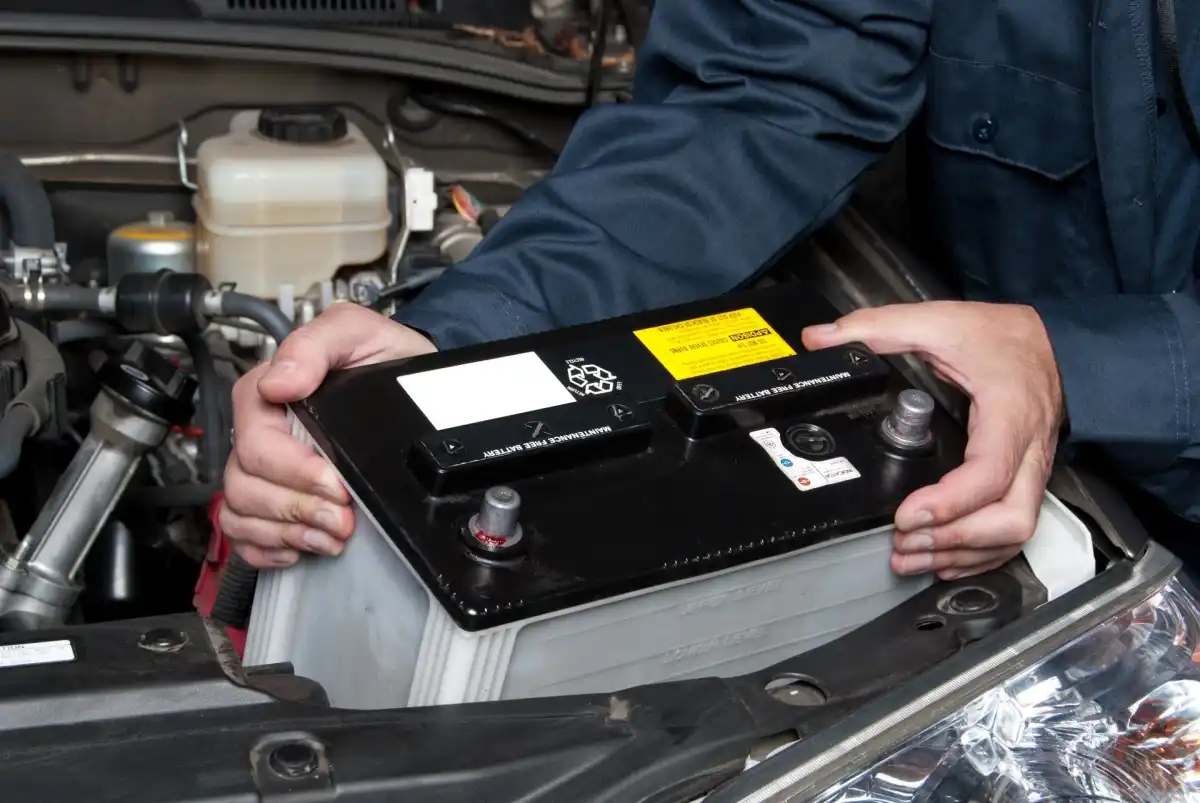
1. Inspect the Battery
Begin with a visual inspection of the battery. Look for:
Cracks or damage on the battery casing.
Corrosion or buildup on the terminals.
Loose or damaged cables.
If you notice severe damage or leaks, it’s best to replace the battery immediately.
2. Check the Voltage with a Multimeter
A multimeter is a quick and reliable way to assess your battery’s voltage. Here’s how:
Turn off your car and all electrical systems.
Set the multimeter to measure DC voltage.
Connect the red probe to the positive terminal (+) and the black probe to the negative terminal (-).
Check the reading:
A healthy battery should measure around 12.6 volts or higher when fully charged.
If the reading is below 12.4 volts, the battery may need recharging or replacement.
3. Perform a Load Test
A load test ensures your battery can handle the demands of your car’s electrical systems. You can use a handheld battery tester or visit a professional mechanic for this test. The tester applies a load to the battery and measures its voltage response. If the voltage drops significantly under load, it’s a sign of a weak battery.
4. Test the Alternator
Sometimes, battery issues are caused by a faulty alternator rather than the battery itself. Use your multimeter to measure the voltage while the engine is running:
A properly functioning alternator should produce a voltage between 13.7 and 14.7 volts.
If the voltage is outside this range, the alternator may need repair.
Tips to Maintain a Healthy Car Battery
Maintaining your battery not only keeps your car starting reliably but also prevents unexpected breakdowns. Consistent upkeep and smart charging habits can extend your battery’s service life, even in extreme conditions.
Climate-Specific Care
In regions like the UAE, where temperatures can soar above 45°C, you must park in shaded areas and clean battery terminals regularly with a bicarbonate (baking soda) solution. Make sure to check fluid levels in flooded batteries since these measures can reduce the likelihood of premature failure.
Charging Schedule
Depending on how often you use your vehicle, establish a regular charging routine:
For daily driving, the battery usually maintains charge without extra help.
For weekly or occasional use, consider a maintenance charge every two months or even monthly for seasonal vehicles. This helps prevent deep discharge cycles that compromise battery health.
When to Replace Your Battery?
Knowing when to replace your battery is crucial to avoid being stranded. Look for these signals:
A failed load test with a CCA rating below 70% of the recommended value.
Frequent jump-starts or unusual electrical behavior, particularly if the battery is over three years old.
Repeated instances of deep discharge that indicate the battery can no longer hold a stable charge.
Reference tables can help set expectations:
Battery Type | Expected Life |
|---|---|
Standard Flooded | 2-3 years |
AGM | 4-5 years |
Lithium-ion | 8-10 years |
Read more about how to replace your car battery.
FAQ
Q:What are the basic steps I should follow for a voltage test using a multimeter?
If you’re wondering how to check car battery health on your own, start by ensuring your car sits idle for at least 30 minutes so the battery stabilizes. Set your multimeter to around 20V DC and attach the red probe to the positive terminal and the black probe to the negative terminal. Compare your reading with typical values (a healthy battery usually shows 12.6V or higher). This straightforward approach not only uses a multimeter but also verifies battery performance efficiently.
Q:How often should I perform a load test on my car battery?
It’s a good idea to have your battery professionally load tested at least once a year, especially if you frequently drive in harsh climates or encounter extreme temperatures that can affect its performance. Regular load testing helps detect issues early by simulating the battery’s cold-cranking amps (CCA) under pressure. This process can save you from unexpected breakdowns and ensures that any decline in battery capacity is addressed promptly. Remember, consistent battery maintenance keeps your car reliable and safe on the road.
Q:Can smart battery testers replace traditional multimeter voltage tests?
Smart battery testers are designed to provide quick and accurate assessments of your battery’s overall health. They integrate features like Bluetooth connectivity and real-time data analysis, making them user-friendly for the everyday driver. However, a traditional multimeter still serves as a reliable tool for performing a basic voltage test. Both methods complement each other, so using them in tandem can offer a more comprehensive picture of how to check car battery health effectively.
Q:What steps can I take to prevent battery degradation in high-temperature environments?
For areas with soaring temperatures, such as parts of the Middle East, it’s vital to park your vehicle in shaded areas to prevent excessive heat buildup. Regularly clean your battery terminals and check for corrosion using a simple corrosion check method. Keeping your battery charged at optimal levels through a scheduled maintenance charge routine can also extend its lifespan. These practical maintenance tips help ensure that your battery stays healthy even in extreme weather.
This article is for reference only; please follow your local laws and regulations.
Read more:
How to Park Sharjah Car in Dubai:2025’s Smart City Guide