
- What Is a Timing Belt?
- Why Timing Belt Replacement Matters
- When to Replace
- Warning Signs of a Failing Timing Belt
- What Else to Replace
- FAQ
- Conclusion
What Is a Timing Belt?
The timing belt synchronizes the rotation of the crankshaft and camshaft, ensuring that engine valves open and close at the correct times during the intake and exhaust strokes. It is a critical component that keeps the engine's internal choreography precise.
Why Timing Belt Replacement Matters
Timing belts are made of rubber and reinforced fibers. Over time, they degrade due to heat, oil exposure, and mechanical stress. A failed timing belt can cause pistons to collide with valves, resulting in catastrophic engine damage and repair bills exceeding 10,000 AED.
When to Replace
Most manufacturers recommend replacement every 80,000 to 100,000 kilometers or every five to seven years, whichever comes first. Consult your owner's manual for the exact interval. In hot climates, rubber degrades faster, so earlier replacement is prudent.
Warning Signs of a Failing Timing Belt
- Ticking or clicking noise from the engine
- Engine misfires or rough idling
- Visible cracks, fraying, or glazing on the belt
- Difficulty starting the engine
- Oil leaking from the front of the engine near the belt cover
What Else to Replace
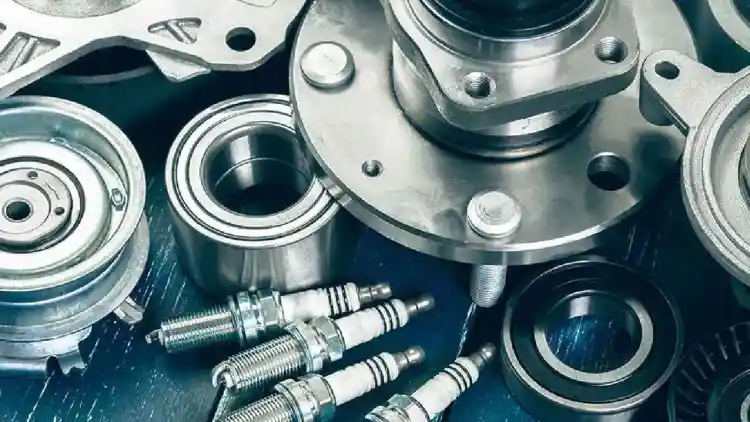
Mechanics typically recommend replacing the water pump, tensioner, and idler pulleys at the same time. These components have similar lifespans and are accessible during the belt replacement. Doing them together saves on future labor costs.
FAQ
How much does timing belt replacement cost?
Between 1,500 and 4,000 AED depending on the vehicle and whether the water pump is replaced simultaneously.
What is the difference between a timing belt and timing chain?
Timing belts are rubber and require periodic replacement. Timing chains are metal and generally last the life of the engine, though they can stretch or fail in rare cases.
Can I replace the timing belt myself?
Only if you have advanced mechanical skills and specialized tools. Incorrect installation causes immediate engine damage. This job is best left to professionals.
What happens if the timing belt breaks while driving?
In interference engines, valves and pistons collide, destroying the engine. In non-interference engines, the engine simply stops running without internal damage.
Conclusion
Timing belt replacement is one of the most critical maintenance tasks. Follow the manufacturer's schedule, watch for warning signs, and never delay replacement. The cost of prevention is minor compared to the cost of engine failure.