
- Why Car Overheating Is Dangerous
- Common Causes of Car Overheating
- What to Do If Your Car Overheats
- FAQ
- Conclusion
Why Car Overheating Is Dangerous
An overheating engine can warp cylinder heads, blow head gaskets, and seize pistons. Repairs from severe overheating often cost thousands of dollars. Recognizing the causes and responding quickly can save your engine.
Common Causes of Car Overheating
Low Coolant Level
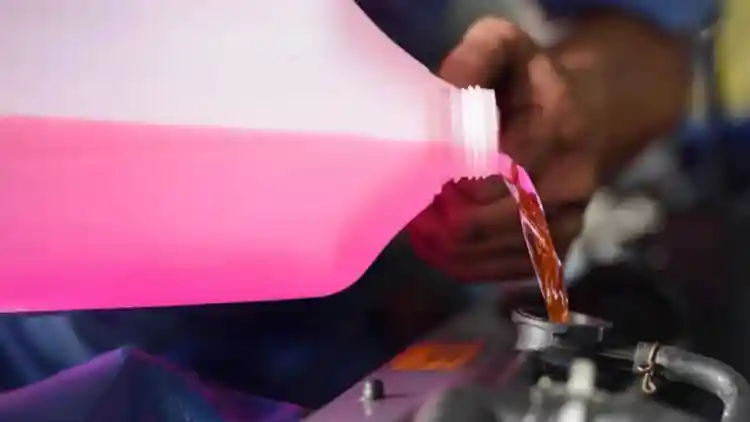
Coolant absorbs and dissipates engine heat. A leak in the radiator, hoses, water pump, or head gasket can cause levels to drop. Check the reservoir regularly and top up with the correct coolant type.
Faulty Thermostat
The thermostat regulates coolant flow. If it sticks closed, coolant cannot reach the radiator, causing rapid temperature rise. A stuck-open thermostat causes slow warm-up but rarely overheating.
Failed Water Pump
The water pump circulates coolant through the engine and radiator. A failed bearing, leaking seal, or broken impeller stops circulation and causes overheating.
Clogged Radiator
Dirt, debris, and mineral deposits can block radiator fins or internal passages. This reduces heat dissipation, especially at high speeds or under heavy loads.
Cooling Fan Failure
Electric cooling fans pull air through the radiator at low speeds and idle. A blown fuse, faulty relay, or dead fan motor prevents adequate airflow.
Broken Drive Belt
On some engines, the water pump is driven by the serpentine belt. A snapped or slipping belt stops the pump and alternator simultaneously.
What to Do If Your Car Overheats
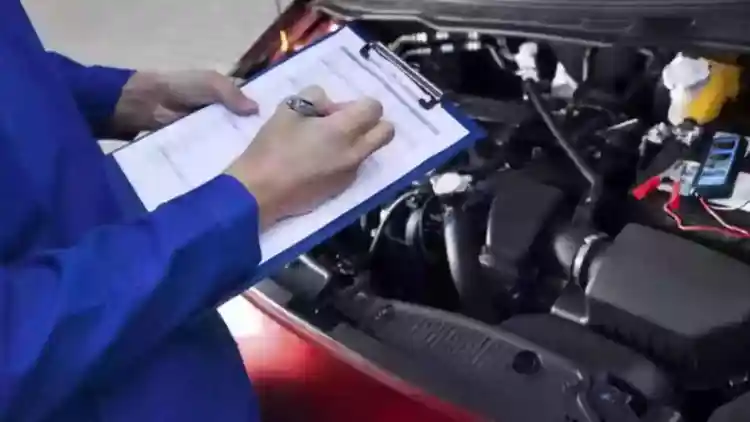
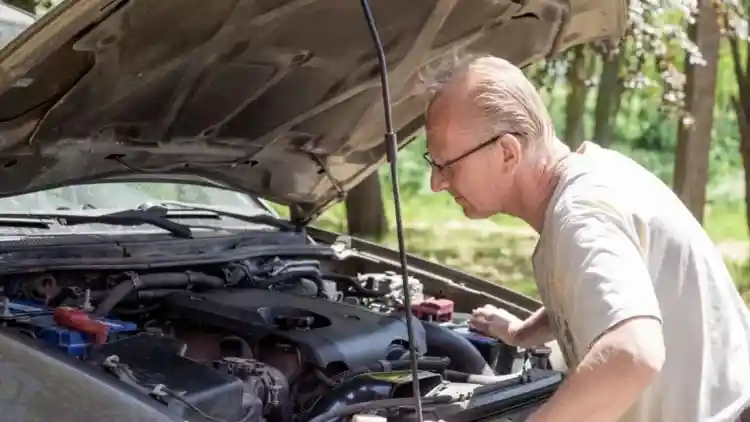
Turn off the air conditioning and turn on the heater to draw heat from the engine. Pull over safely and turn off the engine. Do not open the radiator cap while hot. Wait for the engine to cool, then check coolant levels.
FAQ
Can I drive with an overheating engine?
No. Even a short distance can cause catastrophic damage. Pull over immediately and call for assistance if the temperature gauge enters the red zone.
How much does it cost to fix an overheating engine?
Simple fixes like a thermostat or coolant top-up cost 100 to 500 AED. Head gasket replacement can exceed 5,000 AED. Severe engine damage may require a full rebuild or replacement.
Can low oil cause overheating?
Yes. Oil lubricates and cools internal components. Low or degraded oil increases friction and heat, contributing to higher overall engine temperatures.
How often should I flush coolant?
Every 40,000 to 60,000 kilometers or every two to three years. In hot climates, consider more frequent changes.
Conclusion
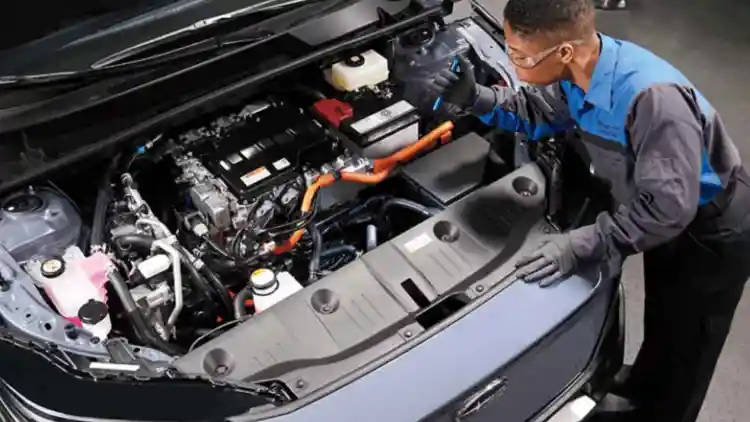
Car overheating is preventable with regular maintenance. Monitor coolant levels, inspect hoses and belts, and address warning signs before they escalate into major repairs.