

- Standard Oil Change Intervals
- Factors That Influence Oil Change Intervals
- Conventional vs. Synthetic Oil
- Checking Your Oil Regularly
- Manufacturer Recommendations vs. Real-World Experience
- Conclusion
Your vehicle’s engine oil is its lifeblood, ensuring smooth operation, reducing friction, and preventing wear and tear. But how often should you change it? The answer isn’t always straightforward—it depends on your driving habits, the climate you drive in, and the type of oil your car uses. Understanding these factors will help you maintain your engine’s longevity and performance.
Standard Oil Change Intervals
Traditionally, mechanics recommended changing the engine oil every 3,000 miles (4,800 km) or three months. However, modern vehicles and advanced oil technology have extended these intervals significantly. Most manufacturers now suggest changing conventional oil every 5,000 to 7,500 miles (8,000 to 12,000 km), while full synthetic oil can last between 10,000 and 15,000 miles (16,000 to 24,000 km).
Factors That Influence Oil Change Intervals
1. Driving Habits
Your driving style plays a crucial role in determining how often you should change your oil:
Stop-and-Go Traffic & Short Trips: Frequent short trips and city driving prevent the oil from reaching optimal operating temperature, leading to quicker contamination. If you mostly drive in urban areas, you may need more frequent oil changes.
Highway Driving: Steady-speed highway driving puts less strain on the engine, meaning the oil lasts longer.
Towing & Heavy Loads: If you frequently tow trailers, carry heavy loads, or drive in hilly terrain, your engine experiences higher stress, requiring more frequent oil changes.

2. Climate and Environmental Conditions
Weather and environmental factors also impact oil change intervals:
Cold Climates: In extremely cold temperatures, oil thickens, making it harder to circulate properly. Frequent cold starts also increase engine wear, requiring more frequent oil changes.
Hot Climates: Excessive heat can degrade oil faster, especially in stop-and-go traffic. Vehicles in desert or tropical climates may need more frequent changes.
Dusty or Polluted Areas: Driving in dusty or polluted environments exposes the engine to more debris, which can contaminate the oil quickly.
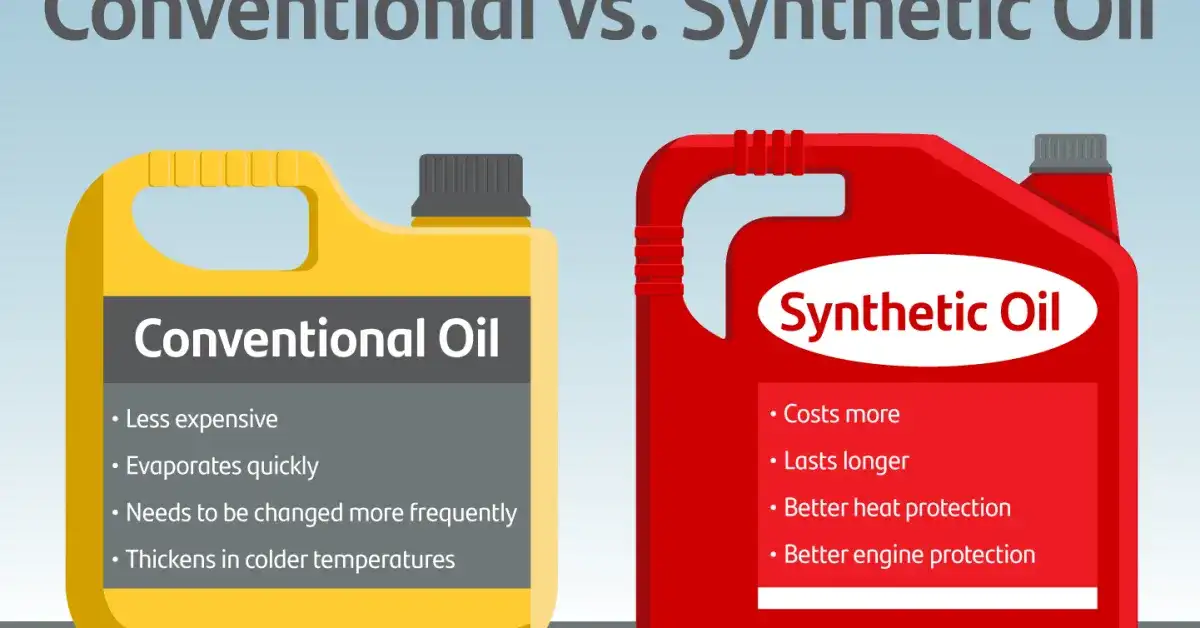
Conventional vs. Synthetic Oil
The type of oil you use determines how often it needs to be changed:
Conventional Oil: Requires more frequent changes, typically every 3,000 to 5,000 miles (4,800 to 8,000 km).
Synthetic Oil: Offers better resistance to heat, sludge, and breakdown, allowing extended intervals of 7,500 to 15,000 miles (12,000 to 24,000 km).
Synthetic Blend Oil: A mix of conventional and synthetic oil that provides better protection than conventional oil but doesn’t last as long as full synthetic.
Checking Your Oil Regularly
Even if you follow manufacturer-recommended intervals, it’s essential to check your oil regularly. Use the dipstick to inspect the oil level and condition. If it appears dark, gritty, or smells burnt, it may be time for a change. Also, pay attention to your dashboard’s oil warning light.
Manufacturer Recommendations vs. Real-World Experience
Automakers provide general guidelines for oil changes, but real-world driving conditions can vary. Always refer to your vehicle’s owner’s manual, but adjust intervals based on your unique driving patterns and climate conditions.
Conclusion
Changing your engine oil at the right intervals is crucial for maintaining performance and preventing costly engine damage. By considering your driving habits, environmental conditions, and the type of oil used, you can determine the best schedule for your vehicle. Whether you follow manufacturer recommendations or adjust based on real-world factors, staying proactive with oil changes will keep your engine running smoothly for years to come.